Languages
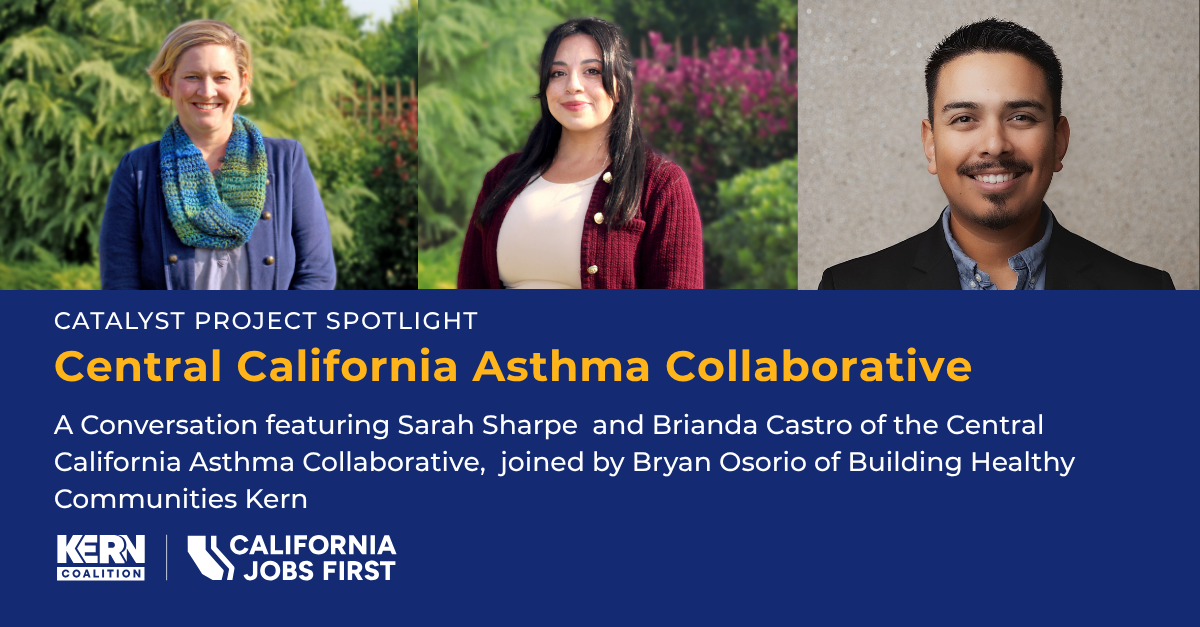
We sat down with Sarah Sharpe of the Central California Asthma Collaborative and Brianda Castro, the project's Project Manager, joined by Bryan Osorio of Building Healthy Communities Kern, to discuss how the Collaborative is helping Kern County residents transition their homes to clean energy while training local workers for green jobs, with support from California Jobs First and the Kern Coalition.
Can you give a quick overview of your organization and how this project fits your mission?
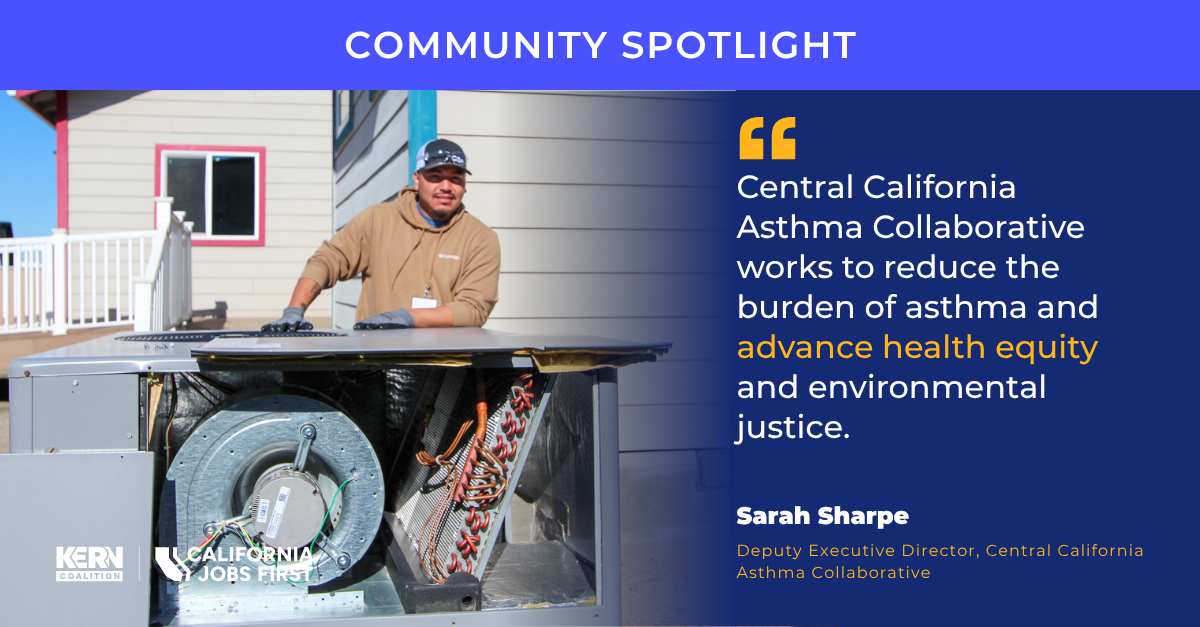
Sarah: Central California Asthma Collaborative works to reduce the burden of asthma and advance health equity and environmental justice. We already send community health workers into homes to find and fix asthma triggers. When the state moved to decarbonize homes, we saw a chance to bring in resources, improve our patients' health, and cut air pollution by switching appliances from gas to electric. Workforce development was a strong addition, so we built the project with partners.
Walk us through how the program works.
Brianda: It starts with outreach and education, then an intake, eligibility screening, and a home assessment that produces an electrification plan specific to each home. Our Climate Solutions Navigators provide one-on-one support through the whole process, including applications, connecting homeowners to other programs, and coordinating contractors. At the same time, workforce participants earn paid, hands-on hours completing the retrofits, so we're improving homes and building a skilled local workforce at once.
How have the Kern Coalition and your partners shaped this work?
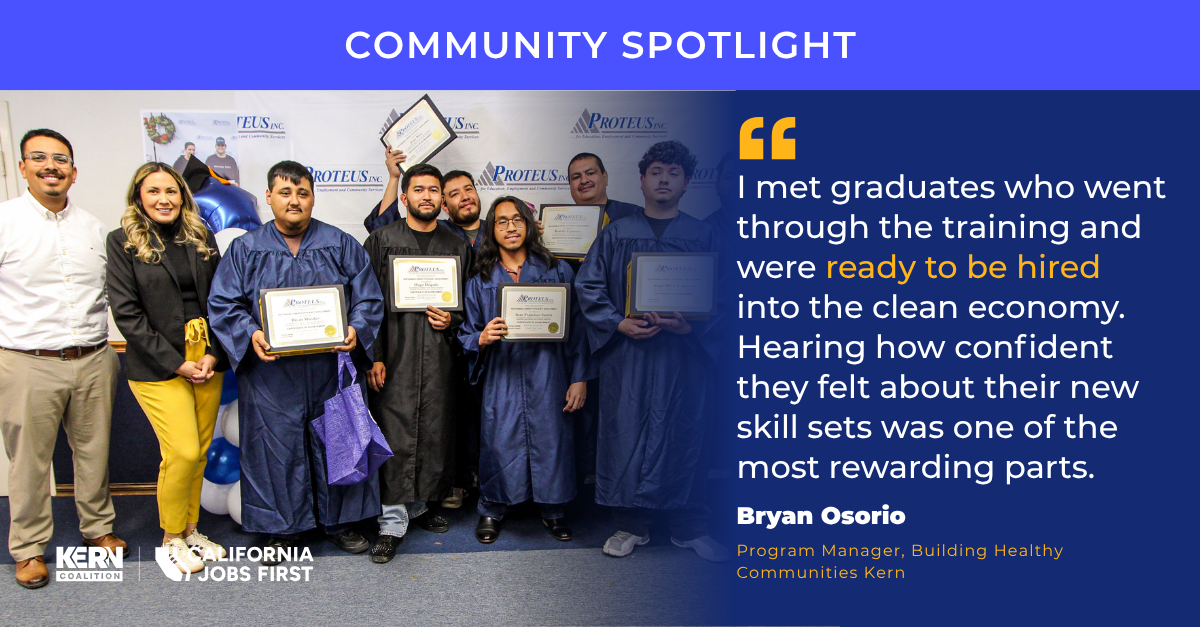
Bryan: It's been a great opportunity to see the CCAC implement its work firsthand, from formation of the advisory group to attending a home electrification site visit in Bakersfield. I also met graduates who went through the training and were ready to be hired into the clean energy economy, and hearing how confident they felt about their new skill sets was one of the most rewarding parts.
Sarah: This project was our first of its kind, and it became a catalyst for new partnerships. We built a much stronger relationship with Grid Alternatives on solar and battery storage, worked with Proteus for the first time, and used everything we developed here to take on other statewide projects serving Kern County and more counties across Central California.
What milestones are you most proud of?
Brianda: This program has allowed 20 students graduate from the SEED cohort with certifications that catapult them into the green energy field, and building a coordinated pathway so homeowners aren't navigating confusing, English-only applications alone. Some graduates have already formed their own companies, including a father-and-son pair who earned their certifications together.
How do you see this work benefiting Kern County?
Bryan: As we talk about transitioning away from traditional energy, it's often easier said than done, especially in our most vulnerable communities. What I appreciate about the CCAC is the focus on equity, starting with eligibility that reaches people who have asthma and who are working class or low income, which matters a great deal as the state moves toward a cleaner economy.
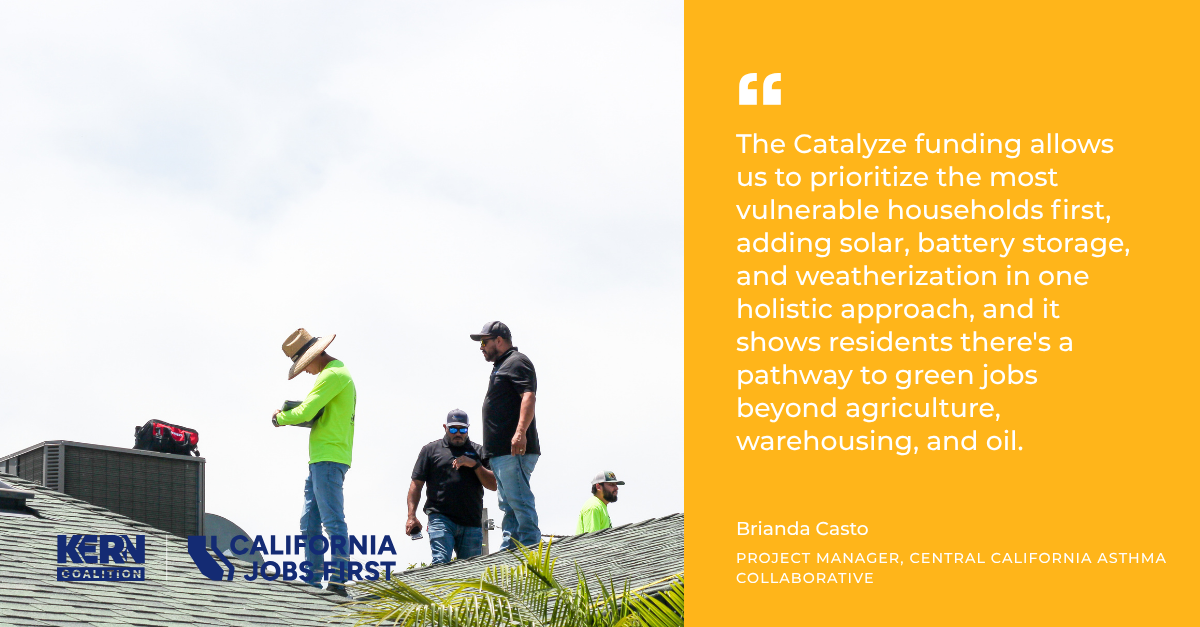
Brianda: The Catalyst funding allows us to prioritize the most vulnerable households first, adding solar, battery storage, and weatherization in one holistic approach, and it shows residents there's a pathway to green jobs beyond agriculture, warehousing, and oil. Certifications like EPA certification let them work on industrial projects and keep that workforce here in Kern County.
Where do you see this program going next?
Sarah: On the home electrification side, we're continuing, and we've already hired another Climate Solutions Navigator in Kern County through a new multi-year project. This funding was a catalyst for us to grow that program. On the workforce side we're still working out how to keep it going, ideally bringing the training closer to Kern, because the demand and the need are clearly there.